Crystal Bridges Museum of American Art is one of my favorite places to visit in Northwest Arkansas. It is also the one place that I think every visitor to the area should see.
I’ve been going to Crystal Bridges for years, starting shortly after it opened, and even after many visits I still enjoy it. Sometimes we go specifically to see the art. Sometimes we walk the trails. Sometimes we stop in to see a special exhibition.
One of the best things about Crystal Bridges is that because general admission is free, you don’t have to feel like you need to see everything in one visit.
Which is a good thing because there is a lot to see.
Crystal Bridges opened in Bentonville in 2011 and has grown considerably since then. The museum now includes galleries filled with five centuries of American art, miles of walking trails and outdoor sculpture, a Frank Lloyd Wright house, restaurants and coffee shops, spaces for making art, and some pretty spectacular architecture.
Even if you aren’t someone who normally spends hours in art museums, I think you will find something here to enjoy.
Is Admission Really Free?
Yes! General admission to Crystal Bridges is free.
You can walk through the permanent collection, explore the grounds and trails, and spend as much or as little time as you like without paying an admission fee.
Crystal Bridges also regularly brings in temporary and special exhibitions. Those often require a paid ticket, so check the museum calendar before your visit to see what will be showing while you are there.
What About Parking?
There is also no charge for parking.
On busy days you may end up parking in the larger Campus Parking garage rather than the garage closest to the museum. A complimentary shuttle runs between Campus Parking and the main museum entrance during museum hours.
Pick Up a Map When You Arrive
This is one of my biggest tips: Pick up a museum map when you get there.
Crystal Bridges is quite large and is spread over multiple levels. There are galleries on different sides of the building, bridges connecting sections, several entrances and exits, and trails leading off in various directions.
I have been to Crystal Bridges many times and still found myself a little turned around on our most recent visit.
Part of that is because the museum has grown, but it is also because many of the galleries have been rearranged. In conjunction with its 2026 expansion, Crystal Bridges reinstalled nearly all of its galleries and moved works throughout the museum.
So even if you have visited before, don’t necessarily assume that what you remember will still be in the same place.
A map will save you some wandering around wondering how to get back to the gallery you saw 20 minutes ago.

What Will You See at Crystal Bridges?
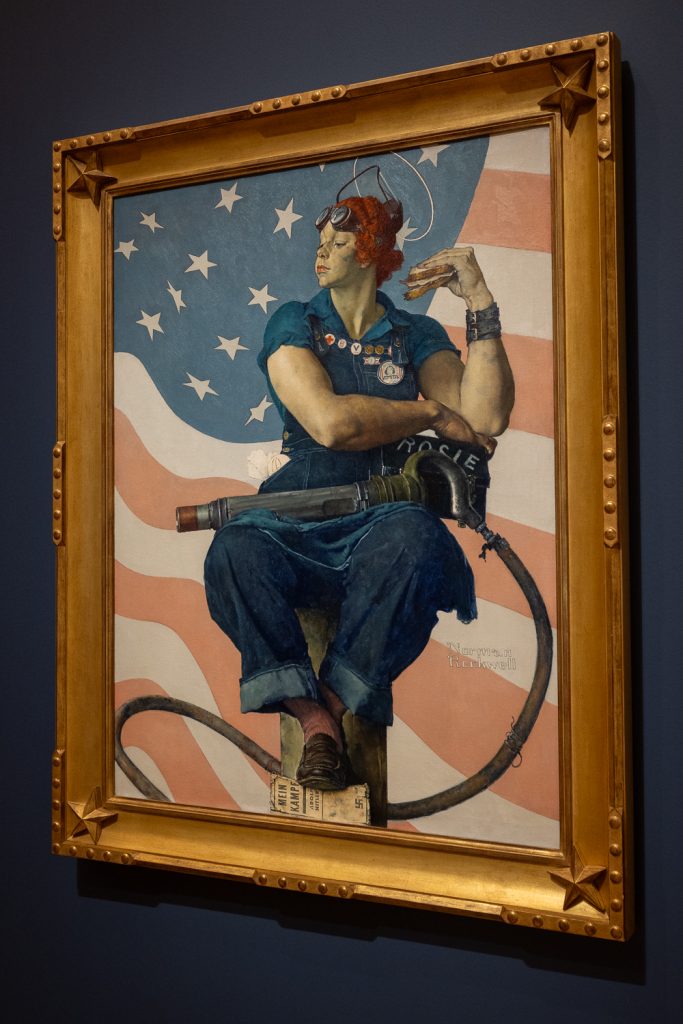
Crystal Bridges is devoted to American art, with a collection spanning five centuries.
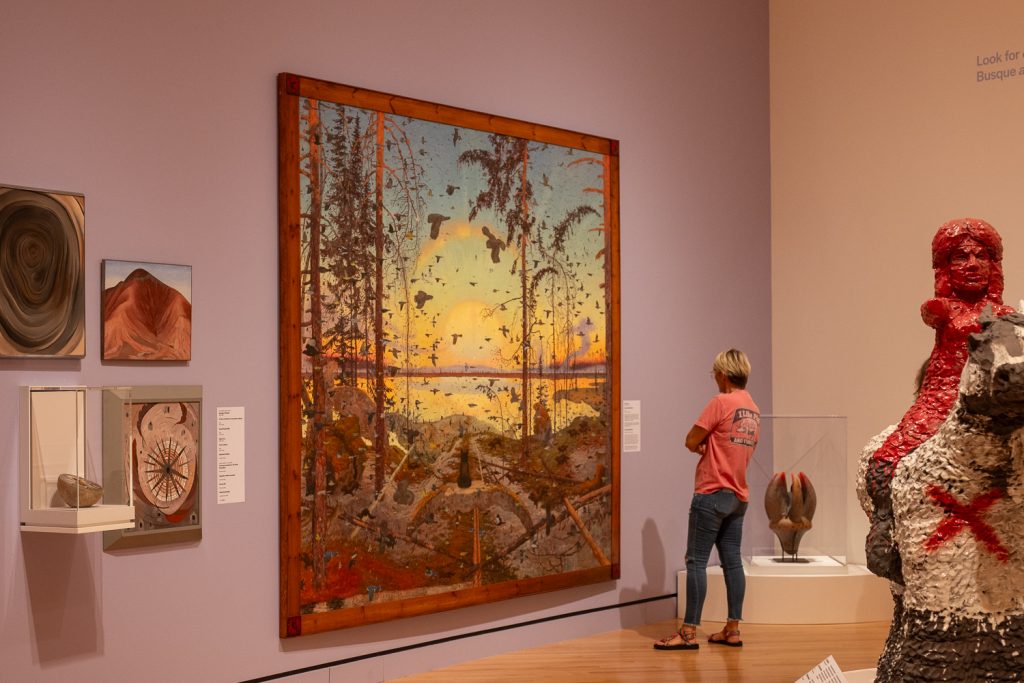
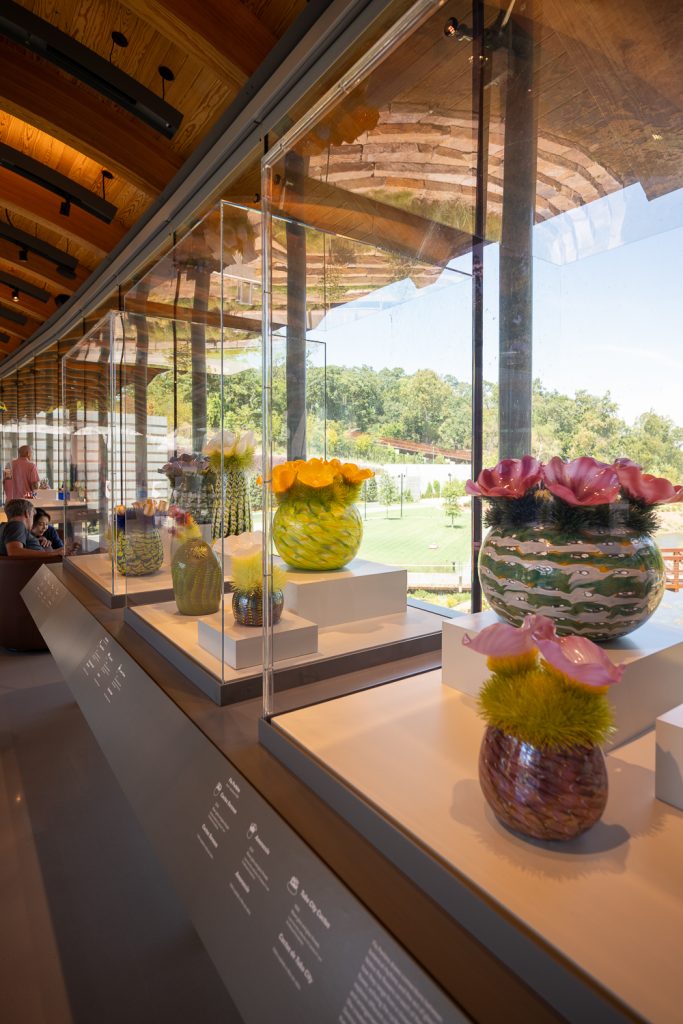
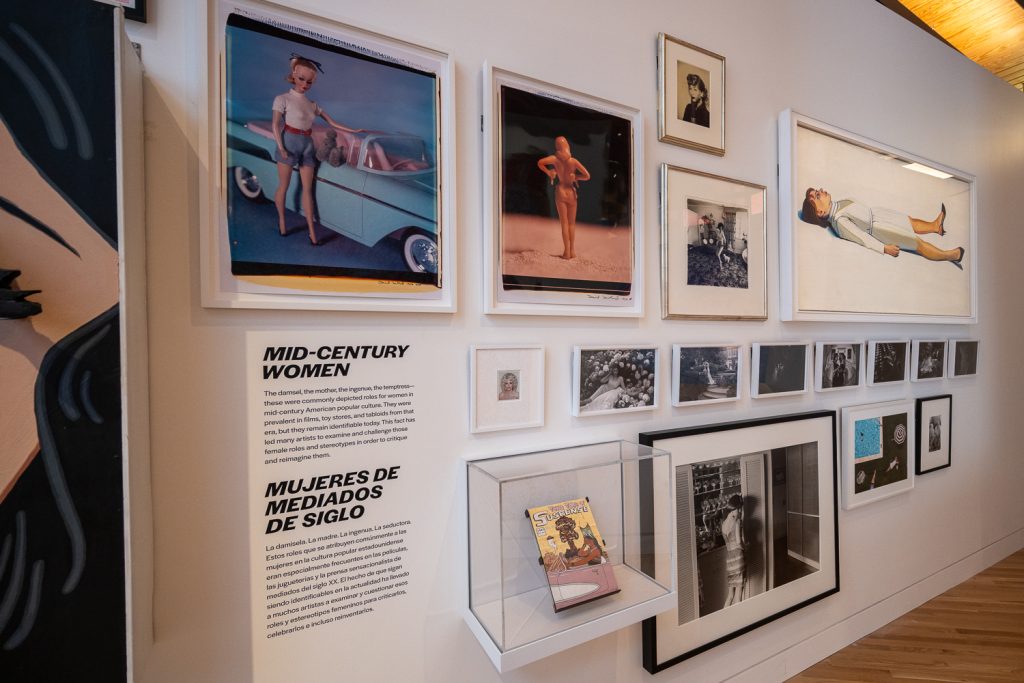
You will find everything from early American paintings and landscapes to Impressionism, Modernism and contemporary art. There is sculpture, photography, decorative art and work that explores all sorts of aspects of American history and life.
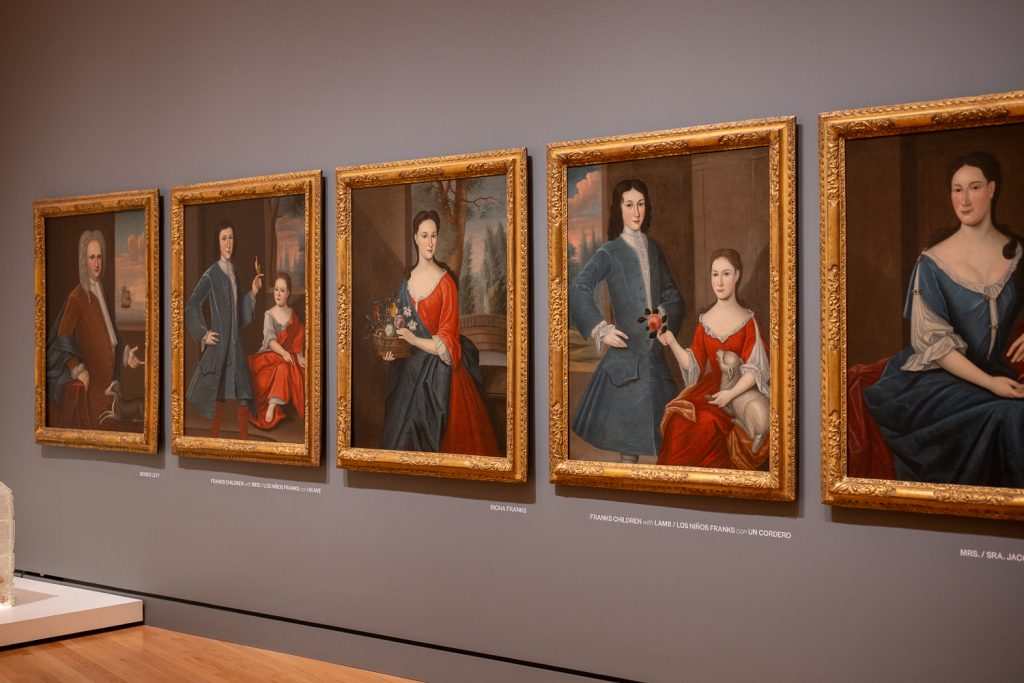
One of the things I have always liked about Crystal Bridges is the range.
Some works are immediately beautiful. Some are strange. Some are thought-provoking. Some may make you uncomfortable. And some pieces you will probably walk right past while someone else stands in front of them for ten minutes.
That’s art for ya!
You don’t need to know much about American art before you visit, and you certainly don’t need to appreciate everything you see. Just wander and see what catches your attention.
Are you looking for more things to do in Northwest Arkansas? Check out our entire guide to the area!
The Expanded Crystal Bridges
Crystal Bridges completed a major 114,000-square-foot expansion in 2026, increasing the size of the museum by about 50 percent.
There are two additional galleries, a larger space for temporary exhibitions, studios and educational spaces, community gathering areas, a café and an outdoor plaza.
I was curious about how the addition would look because the original Crystal Bridges building is so distinctive.
What impressed me most was how seamlessly the expanded section blends into both the original museum and the surrounding landscape. It doesn’t feel as if someone built a giant new wing and attached it to the old building.
The curves, glass, water and views of the wooded hills still feel very much like Crystal Bridges.
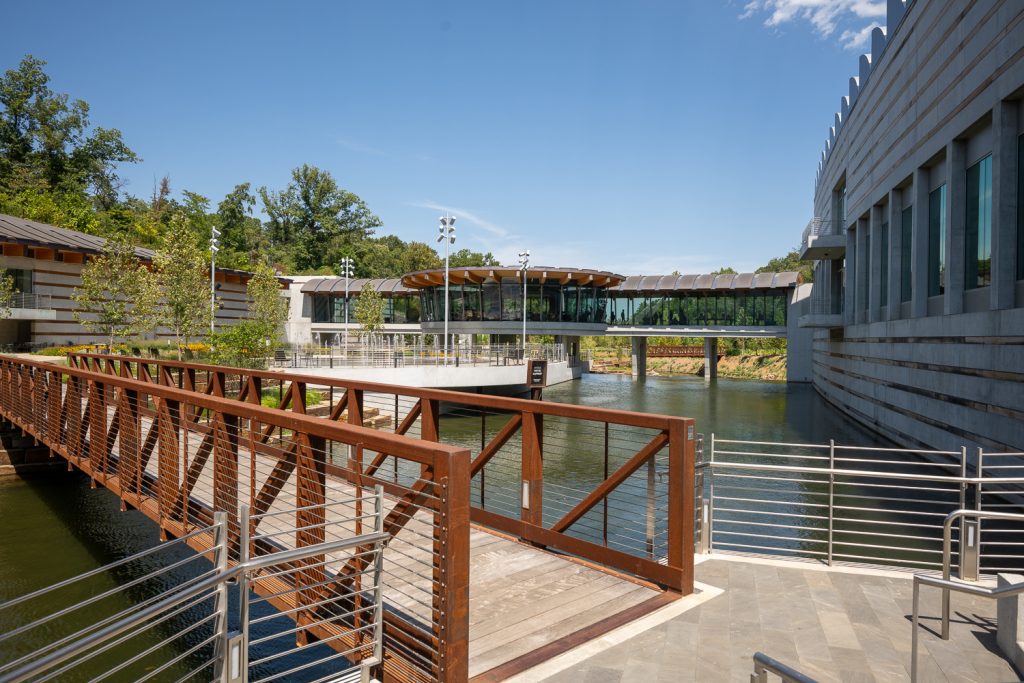
Don’t Forget to Look at the Building From All Angles
Be sure to take some time to walk outside rather than seeing the addition only from inside the galleries. Honestly, you could visit Crystal Bridges just for the architecture.
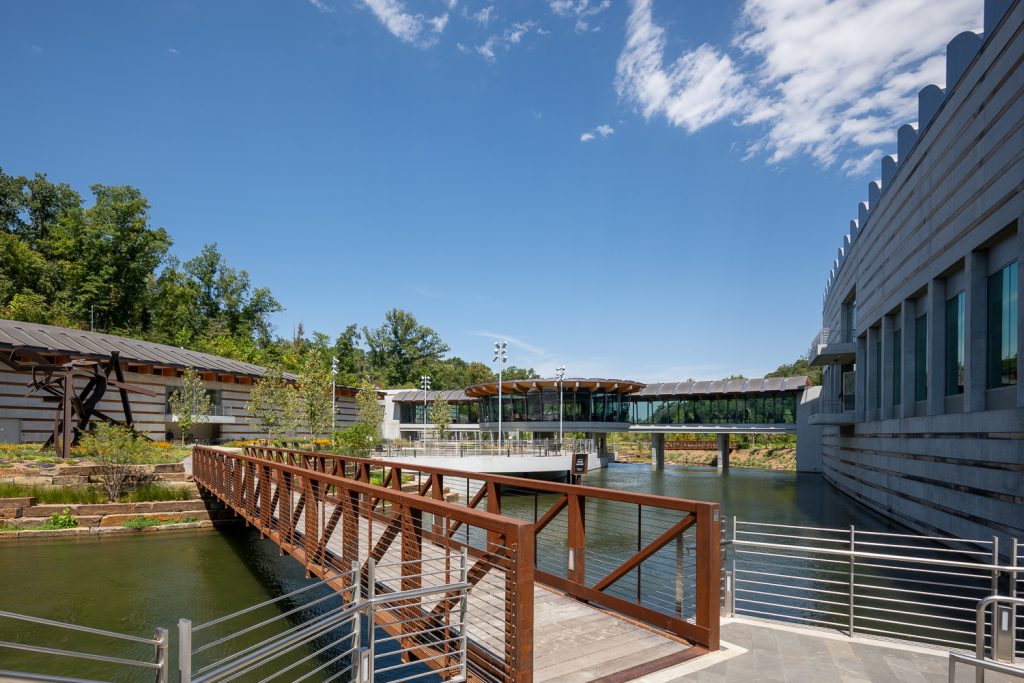
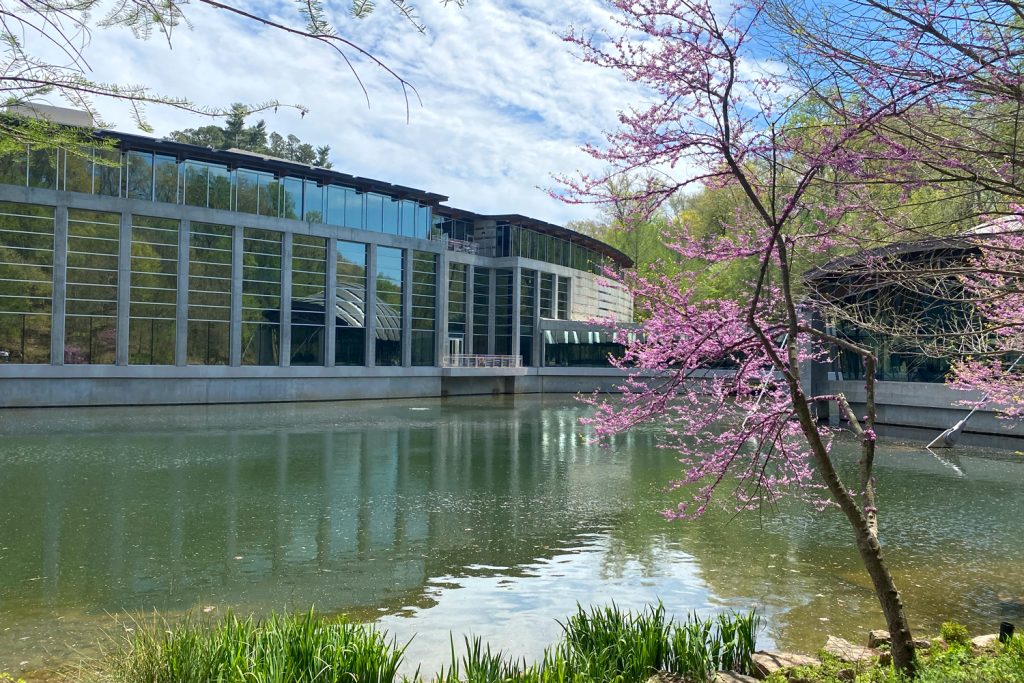
Renowned architect Moshe Safdie designed the original museum, which sits down in a wooded ravine surrounded by ponds and Ozark hills.
The museum nestles into the hollow, or holler as those from the surrounding Ozark Mountains might say, like a rustic spaceship.
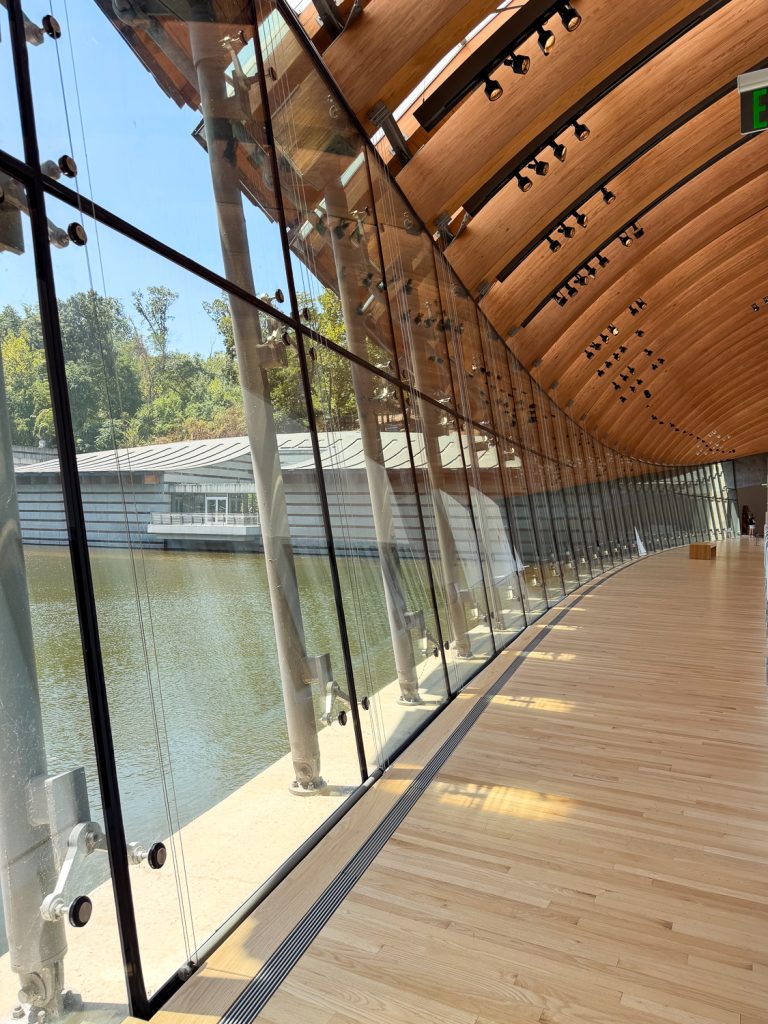
There are curved walls, curved rooflines, glass, wood and copper. Bridges connect various parts of the museum over spring-fed ponds while tree-covered hills rise around the buildings.
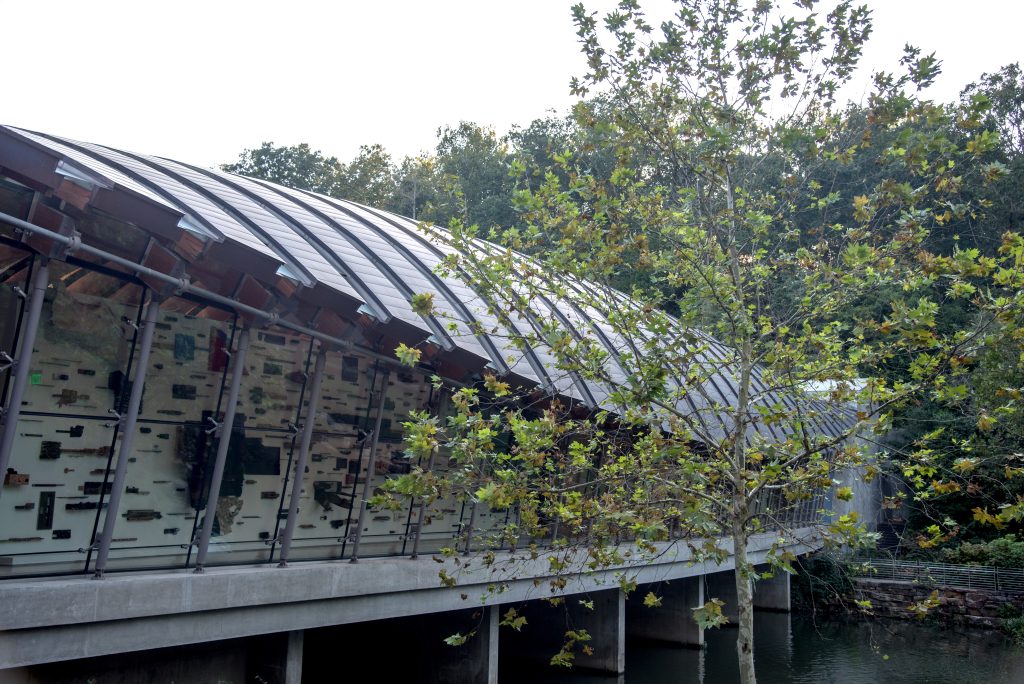
One of the most unusual things about Crystal Bridges is that although the museum is large, the landscape still feels bigger.
That was intentional from the beginning. The building doesn’t sit on top of the land and demand all the attention. You descend into it, and the surrounding woods remain part of what you see from inside.
I think the connection between art, architecture and nature is one of the things that makes Crystal Bridges special.
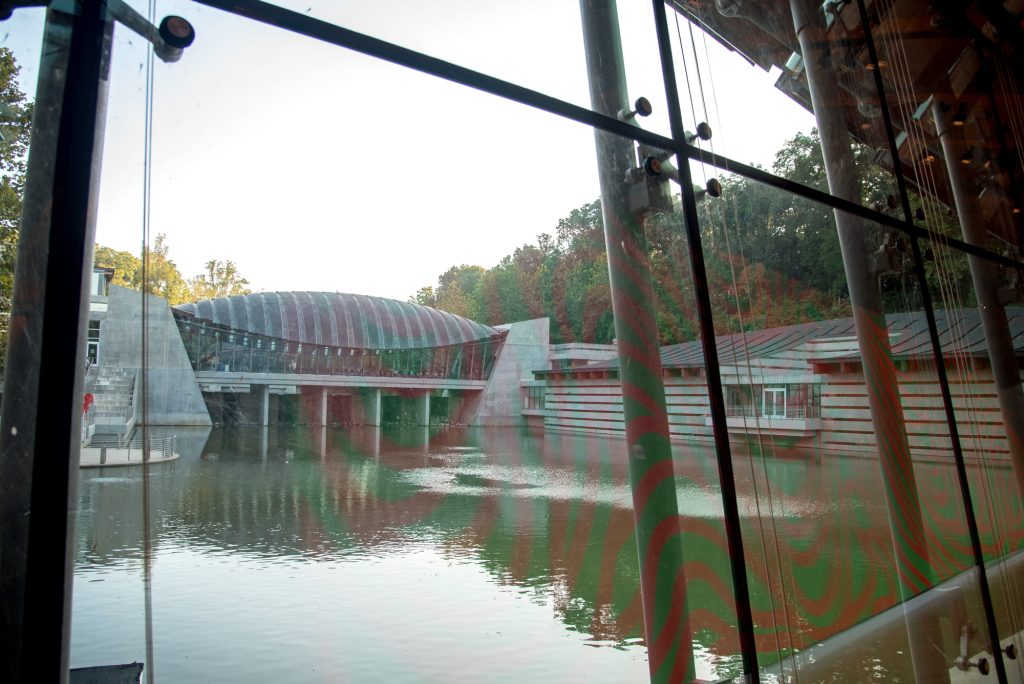
Walk the Trails and See the Outdoor Art
Once you are outside you will definitely want to walk some of the trails and see the outdoor art.
Crystal Bridges sits on a 134-acre campus with about 4.7 miles of trails, along with outdoor sculptures, gardens, streams and wooded areas. The trails range from easy paved walks to more natural hiking paths.
You can easily combine a museum visit with a walk outside, and there are some wonderful views of the museum from the trails.
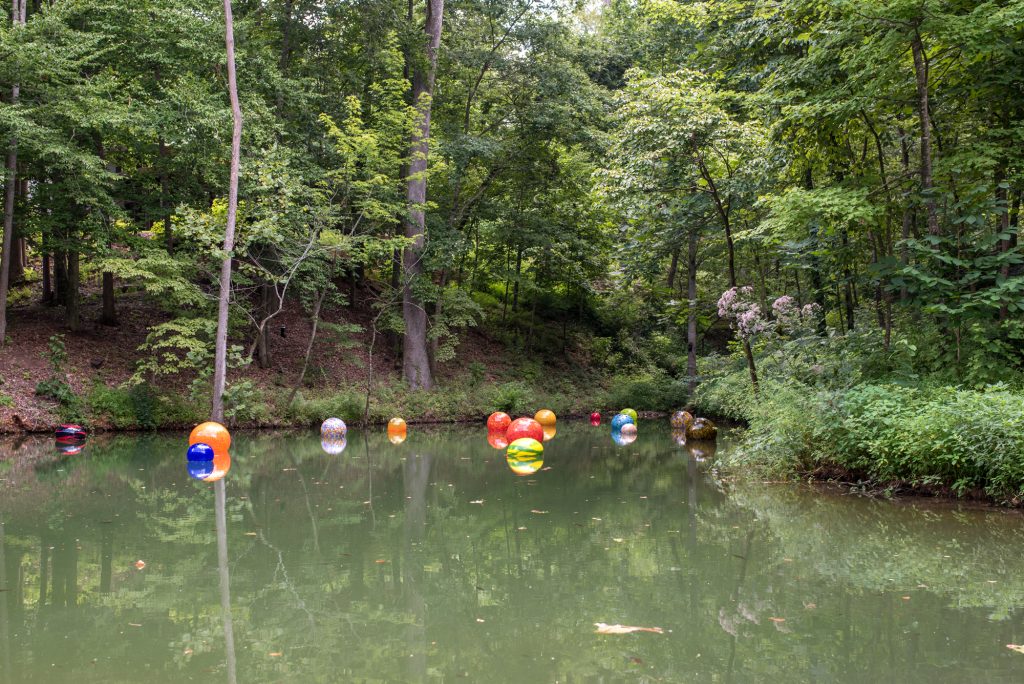
Another important tip: Wear comfortable shoes when visiting this museum!
If the weather is pleasant, I would allow some extra time just to wander. Spring and fall are beautiful, of course, but don’t discount winter. We often have surprisingly mild winter days in Arkansas.
Summer is another story. It can be extremely hot and humid in Northwest Arkansas, so if you want to walk the trails in July or August, go earlier in the day and then head inside to the air conditioning.
One unusual thing to look for outside is the quartz crystal grotto along the west side of the upper pond. Huge boulders covered in natural Arkansas quartz crystals line the walkway.
It is a nice little Arkansas touch at a museum that is already very connected to its landscape.

Visit the Frank Lloyd Wright Bachman-Wilson House
Architecture lovers should also make time for the Bachman-Wilson House, designed by Frank Lloyd Wright.
The house was originally built in New Jersey, where repeated flooding threatened it. It was eventually acquired by Crystal Bridges, carefully dismantled, moved to Arkansas and reconstructed on the museum grounds.
It opened at Crystal Bridges in 2015. The setting is perfect for it. Like the museum itself, the house was designed around the relationship between architecture and nature.
Self-guided admission to the Bachman-Wilson House is free, but you do need to reserve a ticket. There is also a paid guided tour available. Photography is not allowed inside the house.
If you have any interest at all in architecture, I would make the reservation.
And if you enjoy the Bachman-Wilson House, you might also want to visit some of the incredible glass chapels in Arkansas designed by Arkansas architect E. Fay Jones, who studied under Frank Lloyd Wright.
The Hub and Art-Making Spaces
On my most recent visit I noticed quite a few areas where children and families could create art, along with spaces that felt designed for community gatherings and adult classes.
After some research I learned that this area is called The Hub. It gives Crystal Bridges much more room for art-making and community activities.
Some programs are geared toward children and families, but there are classes, workshops and creative spaces for adults as well.
It makes Crystal Bridges feel less like a place where you only look at art and more like a place where people can actually make it.
Where to Eat at Crystal Bridges
You have a couple of choices if you get hungry while you are at the museum.
Eleven is the main restaurant at Crystal Bridges and serves lunch in one of the prettiest spaces in the museum. Huge windows overlook the water and surrounding landscape.

There is also Quartz + Honey in the expanded portion of the museum for pastries, sweets and drinks, along with a Coffee Bar serving coffee made with beans from Northwest Arkansas-based Onyx Coffee Lab.
You don’t necessarily have to leave Crystal Bridges when lunchtime rolls around, which is helpful if you are planning to spend half a day here.
How Much Time Do You Need at Crystal Bridges?
This really depends on how much you like art and whether you plan to explore outside.
I would allow at least two to three hours for a first visit. That gives you time to see a good portion of the museum without racing through it.
If you want to look closely at the galleries, visit the Bachman-Wilson House, have lunch and walk some of the trails, you could easily spend a day.
I also like the idea of not trying to cram everything into one visit if you are staying in Bentonville for several days. Go back. Go every day if you want to.
We’ve done that many times over the years.
Is Crystal Bridges Busy?
It certainly can be.
I’ve been on Saturdays when the museum was extremely crowded and on weekdays when it was pleasantly quiet.
I’ve also arrived later in the afternoon and had some galleries almost entirely to myself.
If you have flexibility and would prefer a quieter experience, I would choose a weekday or late afternoon rather than the middle of the day on a busy weekend.
The museum is much larger than it used to be, so crowds can spread out more, but popular temporary exhibitions and special events can still bring in a lot of people.
Before Bentonville Became Bentonville
One of my favorite things about the story of Crystal Bridges is how unlikely the whole thing seemed when it was first announced.
Today Bentonville is known around the country for art, mountain biking, restaurants, architecture and outdoor recreation. People deliberately plan vacations here.
That was not the Bentonville people pictured when Alice Walton began building Crystal Bridges.
It is almost hard to explain now how appalled and a-flutter the art elite were when Alice Walton announced the location back in the early 2000’s.
Some of the reaction was about Walmart and Walton family wealth. Some involved the amount of money being spent. And some of it was simply disbelief that important American art was being taken out of major cultural centers and brought to Arkansas.
It got worse. There were accusations by certain critics of cultural vandalism when Walton purchased major works that had previously hung in other institutions. The purchase of Asher B. Durand’s Kindred Spirits from the New York Public Library caused a particularly large uproar.
And underneath much of the discussion was a question that seems almost funny now:
Would people really travel to Bentonville, Arkansas, to see great art?
Well, yes. Yes, they would.
By 2026, Crystal Bridges had welcomed more than 15 million visitors.
But I think there is more to the story than simply saying the critics were wrong. Crystal Bridges didn’t just succeed in Bentonville. It became part of the transformation of Bentonville.
The museum that once seemed oddly located now feels as if it could hardly belong anywhere else.
Crystal Bridges Combines Art and Nature Better Than Almost Any Museum I’ve Visited
I’ve visited art museums around the world, and Crystal Bridges still feels different to me.
Part of that is the friendliness. Then there’s the fact that you don’t have to buy an admission ticket. I think my favorite difference is being able to leave a gallery, walk outside under the trees, look at a sculpture, cross a bridge and then go back inside to see another century of American art.
It’s impressive without being intimidating. You don’t have to have an art degree, dress a certain way, talk a certain way, or be from a certain place to enjoy this museum.
You can come for three hours or stop by for 45 minutes. You can bring your children, walk the trails, eat lunch, see a Frank Lloyd Wright house or spend most of your visit standing in front of paintings.
Crystal Bridges is a world-class museum that somehow still feels very much at home in Arkansas.

Crystal Bridges Museum Visitor Information
- Address: 600 Museum Way, Bentonville, Arkansas
- Admission: General admission is free. Some temporary exhibitions require paid tickets.
- Bachman-Wilson House: Free for a self-guided visit, but reserve a ticket in advance. Guided tours are available for a fee.
- Parking: Free. Complimentary shuttle service is available from Campus Parking during museum hours.
- Hours: Crystal Bridges is closed on Tuesdays. Hours vary by day and season, so I recommend checking the museum website before you go. The trails and grounds are generally open from sunrise to sunset.
- How long to allow: At least two to three hours for a first visit. Allow half a day if you also want to walk the trails, visit the Bachman-Wilson House and have lunch.
- My biggest tip: Pick up a map when you arrive. Crystal Bridges is much larger than it once was, and it is surprisingly easy to lose track of where you are!
If you are planning more time in the area, be sure to check out our guide to things to do in Bentonville and our guide to the best things to do in Northwest Arkansas.


